I.

The Dalmatian
Silence

There is a village on the island of Hvar where the stone walls still hold the warmth of the afternoon sun long after the fishing boats have come in, and the only menu is whatever the sea offered that morning.

turn the page
Chapter I

The Stone
Villages of Hvar
Dalmatia, Croatia  ·  September
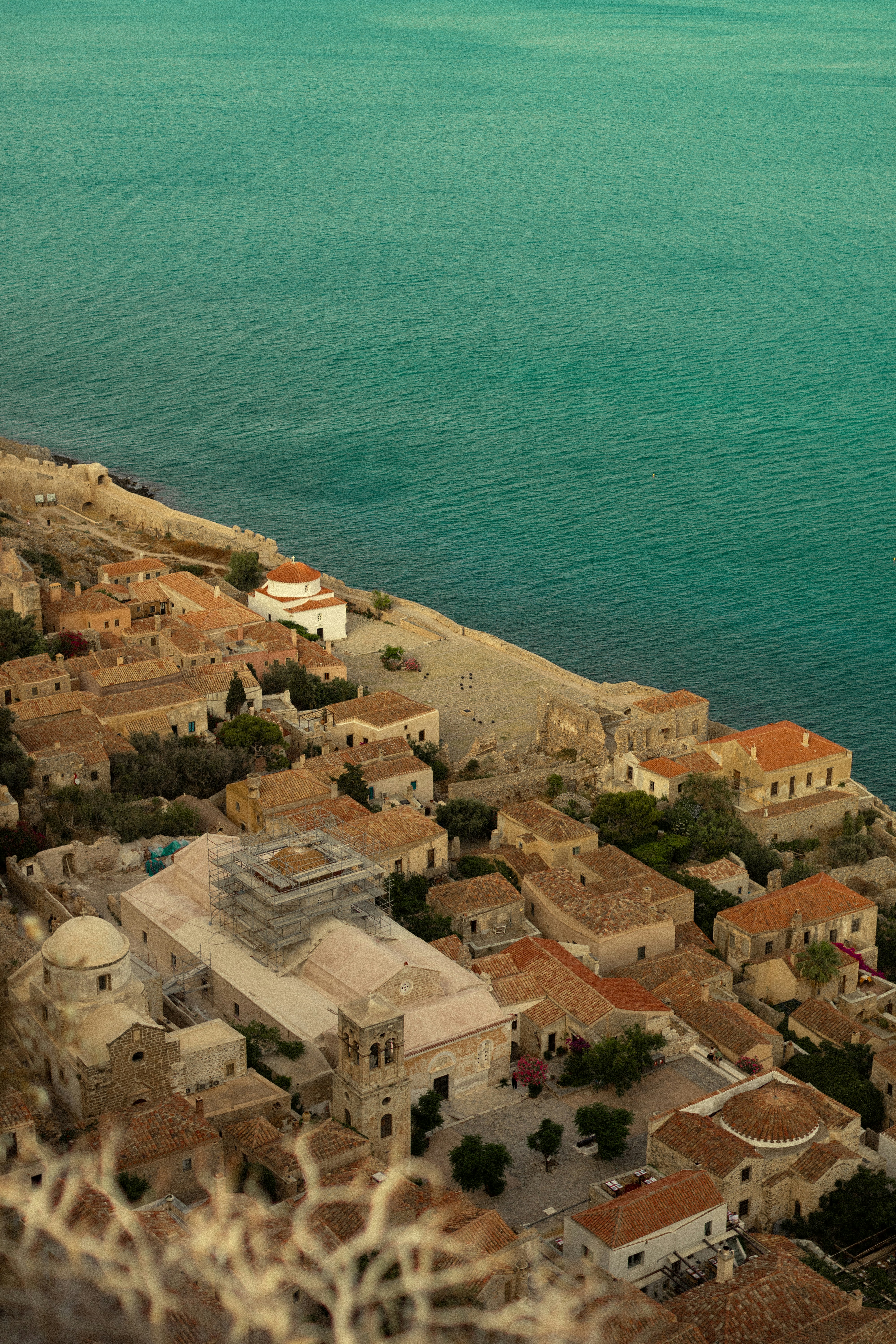
Stone village of Hvar, Croatia — terracotta rooftops descending toward a cobalt harbour
Stari Grad, island of Hvar  /  2025

We arrived on the afternoon ferry from Split, which is the correct way to arrive — the island reveals itself slowly, the pine-forested ridgeline first, then the lavender fields tilting toward the water, and finally the old town materialising out of the afternoon haze like a memory of somewhere you have never actually been. The guesthouse had been a Dominican monastery in the seventeenth century. The owner, a woman named Vesna who had grown up in the house next door and returned after twenty years in Vienna, served us a glass of prošek and said nothing for a long moment. Then: "The Venetians built this. They were here for four hundred years. You have two weeks."

The days arranged themselves without effort. Mornings at the fish market, where the vendors know by name the boats that caught each tray. Afternoons on the terrace with a novel and the sound of swifts. Evenings at a single long table in a courtyard where no sign announces the kitchen — you learn of it from the fisherman who sold you your sea bass, and only if he trusts your intentions.
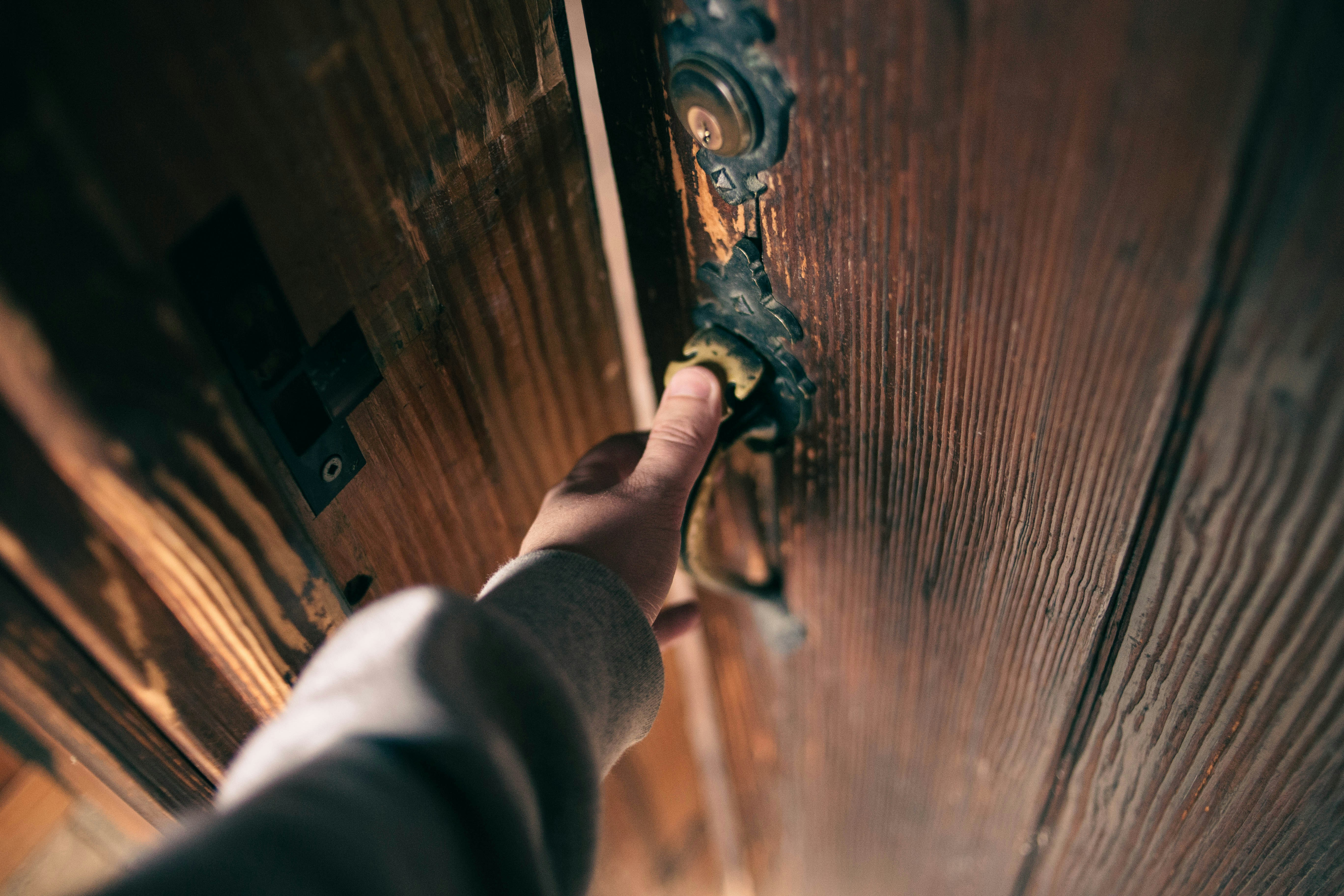
Aged brass doorknob on a centuries-old stone door in Hvar old town
Detail — the east gate, Stari Grad

The ironwork on the gate dates to 1643. The patina is the colour of a bruised plum, and the latch still operates with the same quarter-turn it has always required. Nobody has restored it. Nobody has thought to.

"The tourists come for the lavender and the nightclubs. The people who stay — they come for the silence between the stones."
— Vesna K., Stari Grad  ·  Guesthouse owner, former architect
· · ·
Chapter II

Cappadocia,
Before Sunrise

Göreme, Türkiye  ·  October
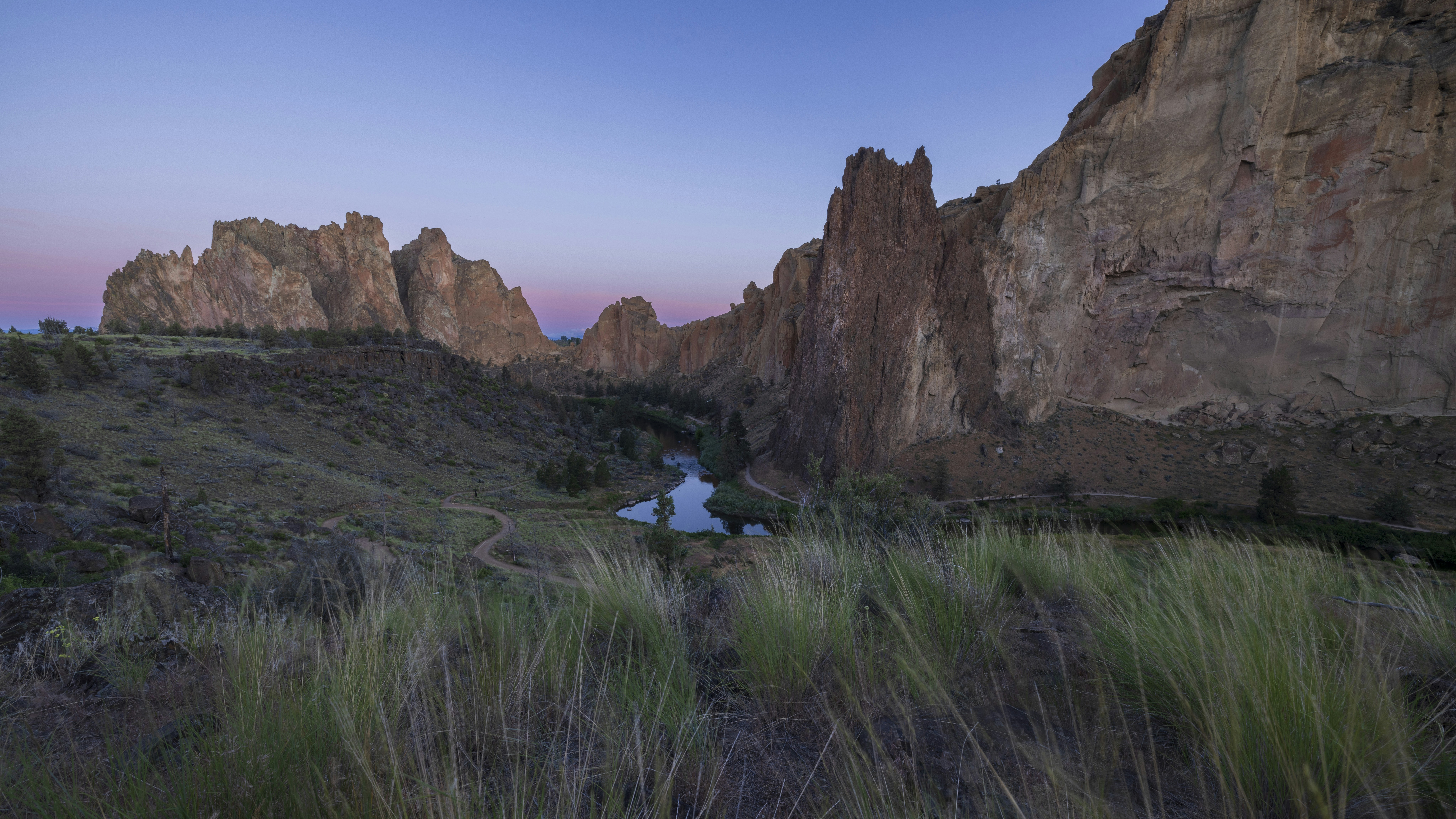
Cappadocia landscape at dawn — rose-coloured valleys and volcanic tufa formations catching first light
Göreme valley, Cappadocia  /  2025

The potter's studio is not listed anywhere. You find it because your host, a retired schoolteacher named Mehmet who converted his family's cave home into two rooms for guests, mentions it at breakfast while refilling your tea glass without asking. He says only: "My cousin. He works at five in the morning. If you want to see the real thing, go before the town wakes." The directions are a series of left turns past a particular pigeon house and a mulberry tree that grows sideways out of the cliff face.

The studio is a single carved room, the walls still holding the cold of the night. The potter — Yusuf, who trained under his grandfather and has never left the valley — throws on a wheel that predates electricity. The clay is local red, dug from a specific bend in the Kızılırmak River that only he knows. He does not speak during the work. Afterwards he serves çay and shows you, with the careful pride of a man who has no need of your approval, a bowl that took him six attempts and fourteen days to glaze. You buy it. You carry it home wrapped in a shirt and it sits now on a shelf where it makes everything around it look slightly less considered.

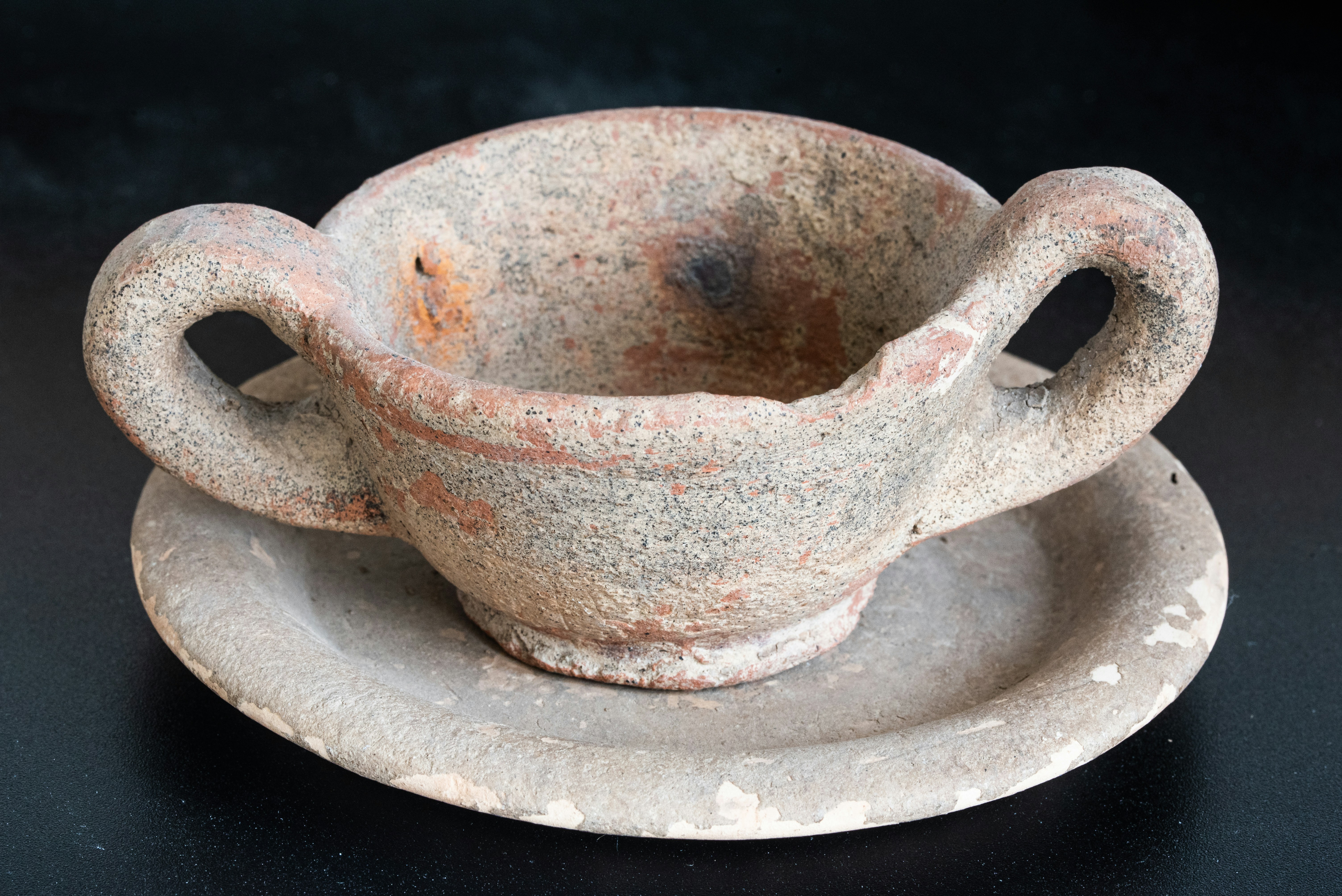
Hand-thrown ceramic bowl with red Cappadocian clay glaze, resting on a stone surface
Detail — Yusuf's studio, Göreme

The glaze is achieved with local minerals — iron oxide from the valley floor, copper from the hills above Avanos. Each batch behaves differently depending on the month it was dug. Yusuf says this is not a flaw. He says this is the point.

"My grandfather said: make something that will outlast your name. That is the only instruction I have ever needed."

— Yusuf A., Göreme  ·  Ceramicist, fifth generation
· · ·
Chapter III

A Gulet on the
Aegean, Unscheduled

Bodrum to Marmaris, Türkiye  ·  Late September
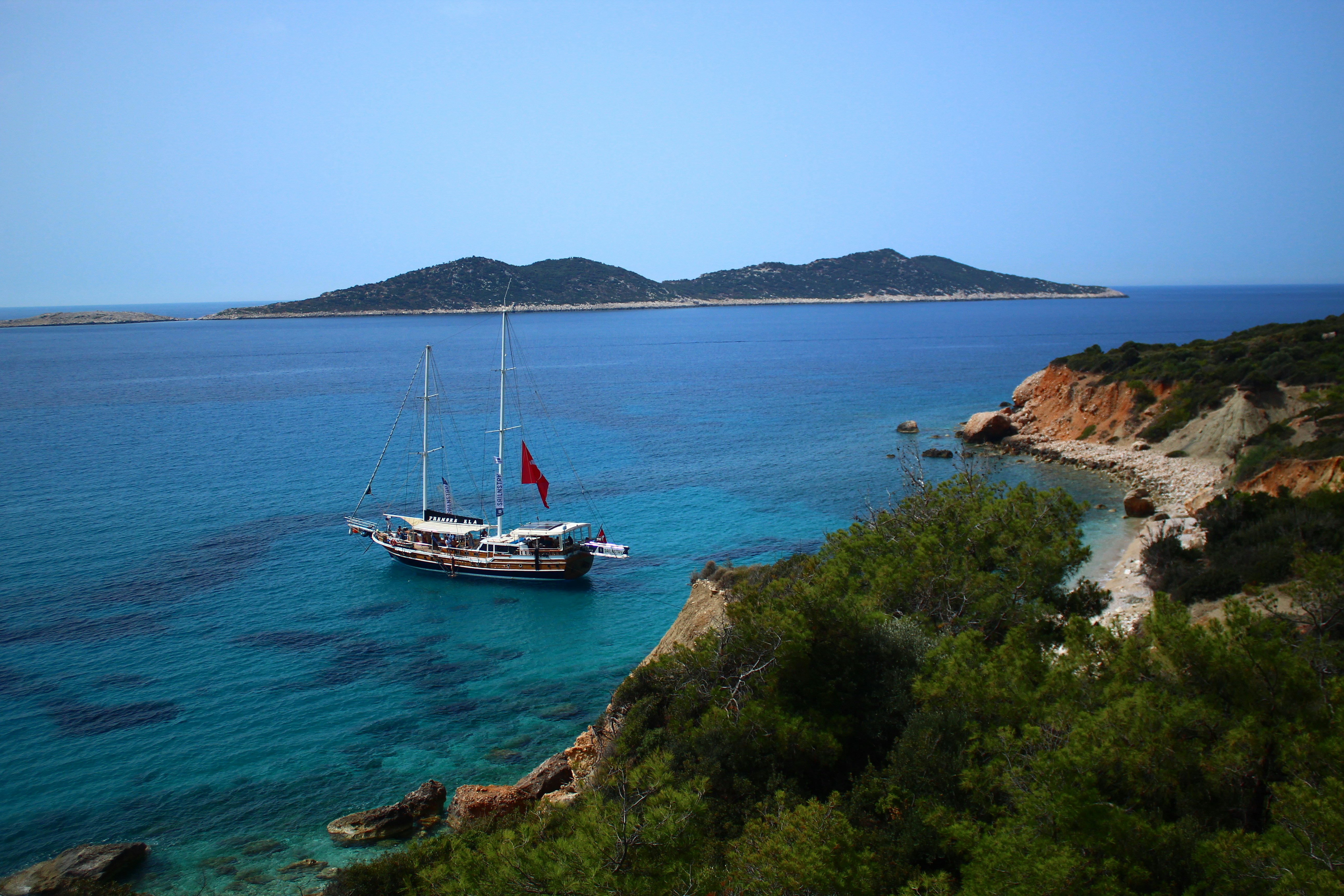
Wooden gulet at anchor in a turquoise Aegean cove, pine trees meeting the water's edge
Bozburun peninsula, Marmaris coast  /  2025

The itinerary, such as it was, consisted of a single sentence written on a piece of paper by the captain, a taciturn Bodrum man named Ahmet who had sailed these waters for thirty-one years: "We go where the wind suggests." There were seven of us aboard — an architect from Porto, a couple who had met on a previous voyage and returned to mark their anniversary, a novelist working on something she declined to describe, and two friends from Melbourne who had been planning this trip for eleven years. Nobody was in a hurry. This is the correct state of mind for the Aegean in late September.

We anchored in a cove that appears on no tourist map, accessible only by water, where the pine trees grow down to the waterline and the water is the precise shade of a shallow swimming pool filled with sky. Ahmet's wife, who joined us from Marmaris on the second day, cooked a meze that evening using herbs she had gathered that morning from a hillside visible from the boat. There was a white wine from a vineyard on the Datça peninsula that I have not been able to find since, and which I have stopped trying to find, because some things should remain in the place where you first tasted them.

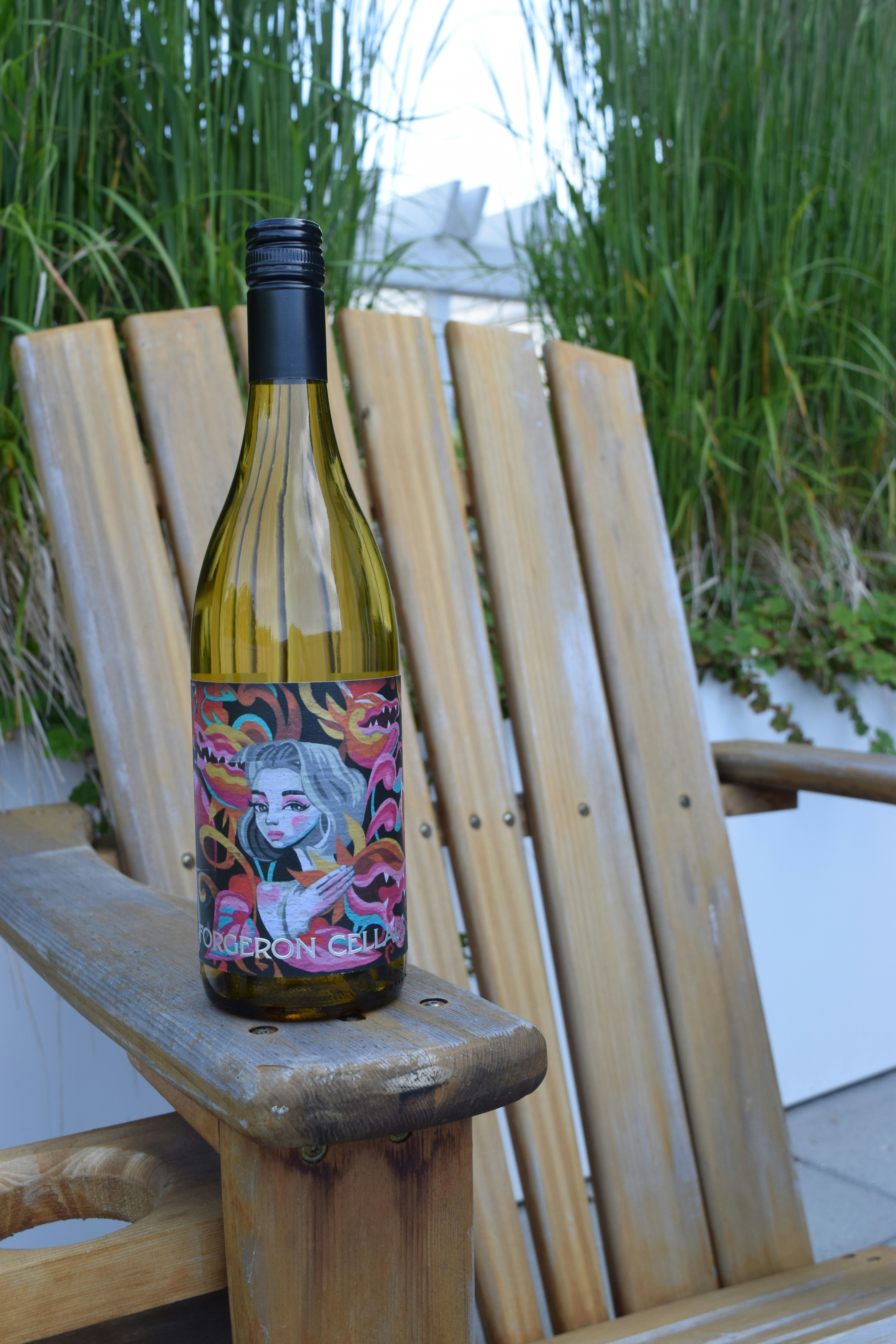
A bottle of unlabelled white wine from the Datça peninsula resting against weathered teak on the gulet deck
Detail — the evening table, at anchor

The label read only a year and a grape variety — Narince — in handwritten ink. The vineyard produces two hundred cases. They do not export. The winemaker, when we finally met her in Datça harbour on the fourth day, said: "If you can find us, you deserve to drink it."

"The sea does not care about your schedule. Once you understand that, the trip can begin."

— Ahmet D., Bodrum  ·  Captain, thirty-one years on the Aegean
· · ·

Reserve Your
Bookmark

The first edition of Voyage dispatches in autumn 2025. Leave your name and we will find you.

First edition dispatches begin autumn 2025.

No algorithms. No sponsored content. One voice, writing slowly from the places worth finding.